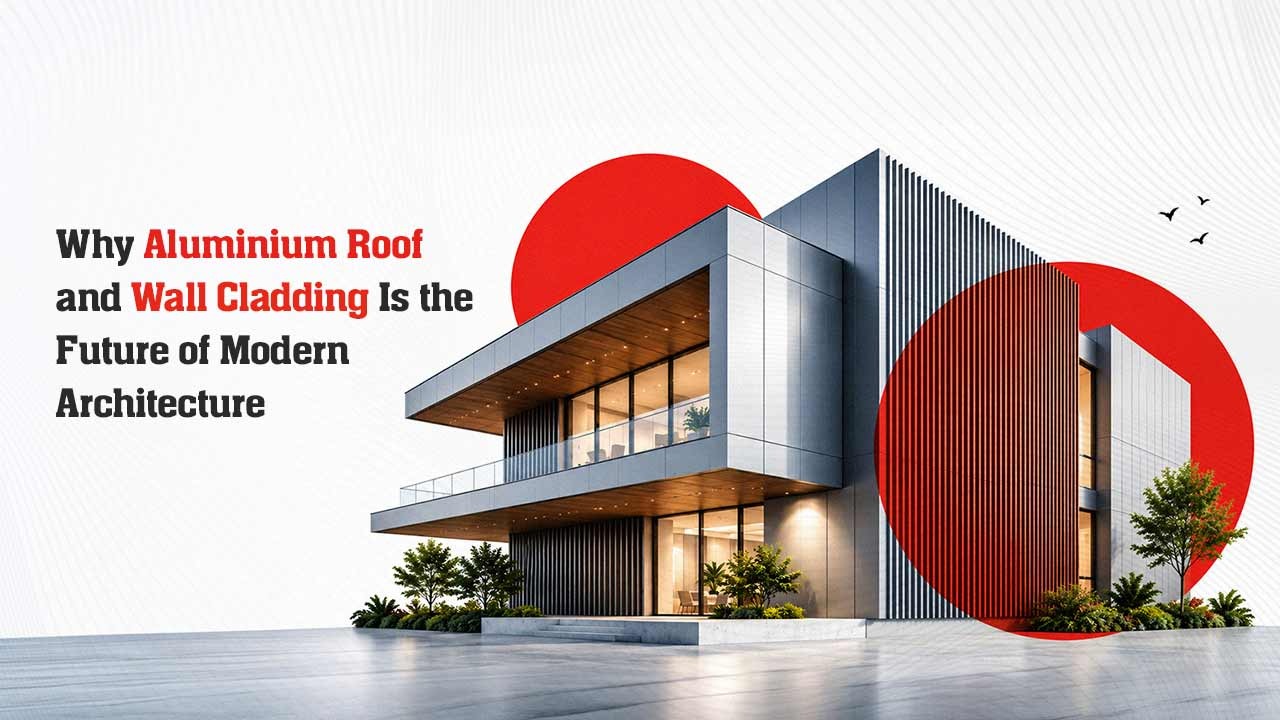
Modern buildings have to do more than make a strong first impression. In Singapore, roofs and facades also need to handle high humidity, heavy rainfall, heat and regular exposure to the elements. This makes the choice of cladding material an important part of the design.
Aluminium is often chosen for these applications because it is lightweight, naturally corrosion-resistant and easy to form into different shapes and profiles. It can also give architects the freedom to create clean lines, curved surfaces and other details without making the exterior overly heavy.
For architects and contractors, the right supplier can also help translate these design requirements into practical roofing and cladding solutions, from selecting suitable profiles and materials to considering fabrication and installation requirements.
Why Is Aluminium Suitable for Roof and Wall Cladding?
One of the main benefits of aluminium is its low weight. Aluminium panels are relatively easy to handle and install compared with many heavier cladding materials. Their weight can also be taken into account when planning the building’s supporting structure.
Aluminium also forms a thin oxide layer when exposed to air. This provides natural protection against corrosion, which is particularly useful in a humid environment such as Singapore.
Its flexibility is another reason architects use aluminium. Depending on the product and fabrication method, it can be formed into curves, folded edges, ribs and other profiles. This gives designers more freedom when developing the appearance of a roof or facade.
How Can Wall Cladding Solutions Work With Aluminium Roofing?
Roofing and walls are often considered together when creating the exterior of a modern building. Using related materials, profiles and finishes can help the different surfaces feel like part of the same design.
Well-planned wall cladding solutions can support this approach. The choice of panel profile and finish can affect the way the roof meets the wall, the depth of the facade and the way light and shadow appear across the surface.
The LCP Lycorpanel range can be considered for aluminium roofing and cladding applications where the design calls for a distinctive panel profile. The appropriate system will depend on the project’s design, dimensions, structural requirements and installation details.
What Makes Premium Metal Cladding a Practical Choice?
The appearance of a facade is only one consideration when selecting a cladding material. Its performance and maintenance requirements also matter over the life of the building.
Aluminium does not develop red rust like steel, while its natural oxide layer helps protect it from corrosion. However, the performance of a completed cladding system depends on several factors. These include the aluminium grade, surface finish, detailing, fixing method, location and maintenance.
This is why choosing premium metal cladding should involve looking at the complete system rather than focusing only on how the finished panels look.
Regular cleaning may also be needed to maintain the appearance of an exterior surface, particularly on buildings exposed to dust and other airborne pollutants.
Is Aluminium a Suitable Option for Sustainable Roofing Materials?
Sustainability has become an important consideration when selecting materials for new buildings. Aluminium can be recycled and reused, making recyclability one factor that can be considered when assessing its suitability for a project.
Its relatively low weight can also make handling and transportation easier. However, the overall environmental performance of a roof or facade depends on the complete building system. Insulation, finishes, installation methods and the wider building design all contribute to its performance.
For architects comparing sustainable roofing materials, aluminium can be one option to consider alongside the project’s wider environmental and performance requirements.
How Do Architectural Designer Profiles Affect a Building’s Appearance?
A profile can have a noticeable effect on the finished appearance of a roof or facade. It can create different lines, depths and patterns across the surface, while also changing the way light and shadow fall on the building.
This is why architectural designer profiles are worth considering while the design is still being developed. Discussing the intended look with a supplier at this stage also allows the project team to consider practical details such as dimensions, spans, fixing requirements and fabrication.
Early planning can help ensure that the selected profile works with both the architectural concept and the practical requirements of the building.
Why Does the Choice of Aluminium Cladding Supplier Matter?
A cladding supplier can contribute more than the panels themselves. Early discussions can help architects and contractors understand the available profiles, finishes and fabrication options before the system is finalised.
LCP Building Products has more than 30 years of experience in roofing and cladding. From its Singapore facility at Gul Circle, LCP has worked on projects across multiple countries and supports clients through different stages of a project, from design and product selection to installation.
FAQs
Can aluminium cladding be used in Singapore’s climate?
Yes. Aluminium is naturally resistant to corrosion and can be suitable for Singapore’s humid and wet conditions. The material, finish and installation system should be selected according to the requirements of the project.
Can aluminium panels be used for curved designs?
Yes. Aluminium can be formed into different shapes and profiles, although the extent of forming will depend on the particular product, design and fabrication requirements.
Does aluminium cladding need regular maintenance?
Aluminium cladding benefits from routine cleaning to maintain its appearance. The maintenance requirements can vary depending on the finish, location and level of exposure.
When should an aluminium cladding supplier be involved?
It is useful to involve the supplier during the design stage. This gives the project team time to discuss profiles, dimensions, fixing details and fabrication requirements before the cladding system is finalised.